I recently wrote an article on Arhoolie, Downhome Records, Chris Strachwitz’s legacy and what that meant and was worth to the Bay Area and the Nation at large. Scratching just slightly deeper, I remembered (realized?) that Arhoolie and Downhome were just pieces of a larger, independent music network in the Bay Area.
It wasn’t one company or one scene. It was an amalgamation of small operations with overlapping mission statements and personnel working simultaneously, sometimes together, sometimes in parallel. That network consisted of certain record labels, mail-order distributors, and freeform radio stations. It is still relevant today.
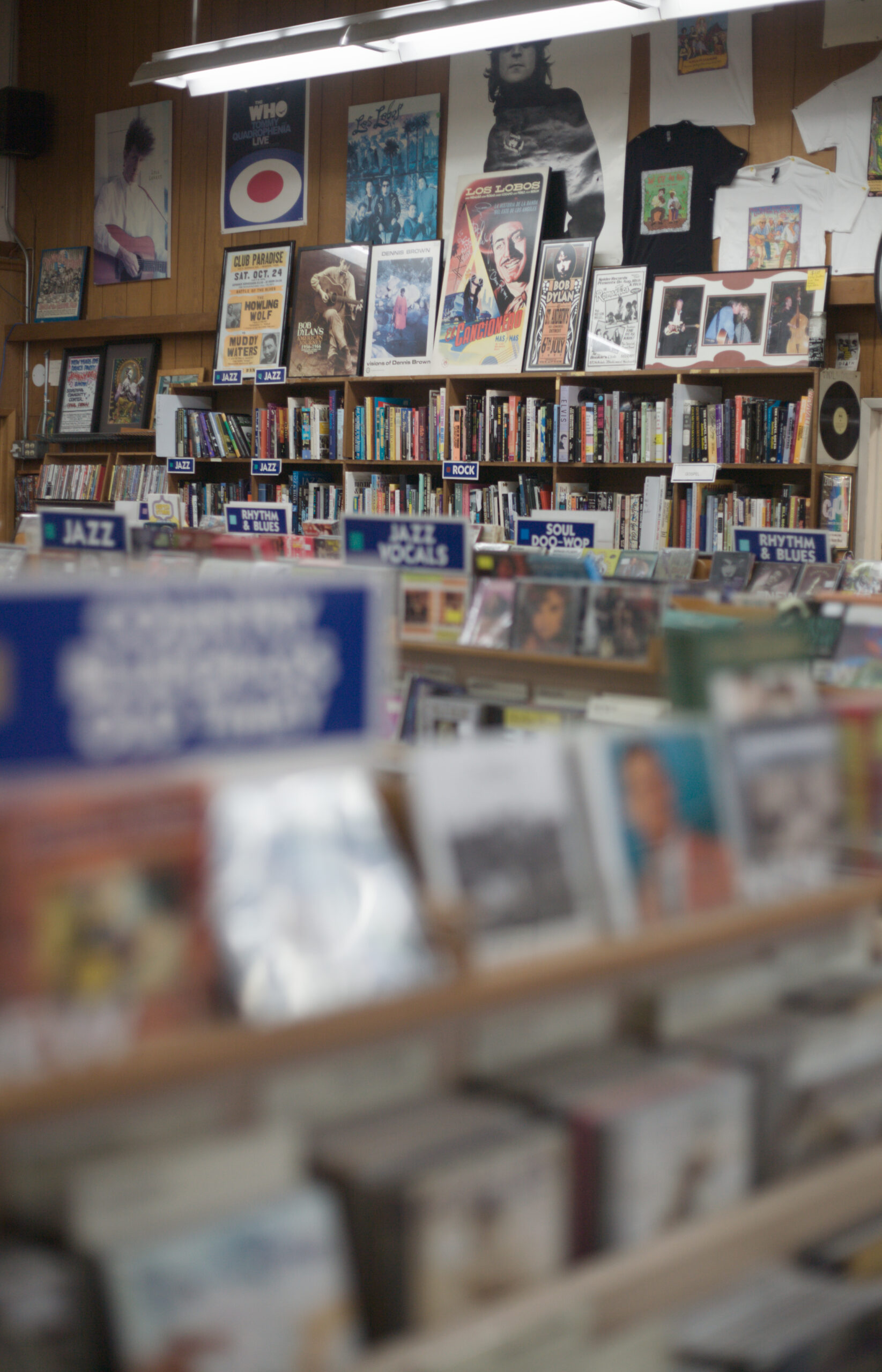
None of these businesses were large, just a handful of people, a rented storefront, or office. All of them matter more than their size would suggest because they built the infrastructure for independent music to be consumed and heard – music that sometimes had been recorded live in a ramshackle house with one microphone and a field recorder.
The Original Independent Network
This informal independent music publishing and distribution network in the Bay Area included such institutions as Arhoolie, Roots & Rhythm, Backroom and Bayside Record Distribution, Kaleidoscope Records, Village Music, Mordam Records and more.
Each of which could have a book written about them – I’m not diving too deep in this article. But I would like to let you know that I am currently interviewing Bob Coffino who was close to Tom Diamant and John McCord of Downhome has agreed to be interviewed at some point. I will post more specifics after I transcribe and edit what I’ve learned.
Music Discovery
Additionally, people discovered this independently published and released music through freeform, and community radio.
Stations that played and play this independent music included KPFA, KALX, KZSU, KUSF/cloned and reanimated as KXSF in 2017, and other historical low-power stations like Radio Sausalito. A development in the last 20 years has been the proliferation of freeform digital streaming stations.
I have a whole ‘nuther article planned that focuses on freeform radio and digital streaming stations in the Bay Area.
Live Music
Now, I probably don’t need to say this for most of you readers, but: absolutely none of this matters as much if you’re not out there getting gigs and playing live.
Becoming a regular, talking to booking agents and promoters, developing a circuit, growing an in-person following and going on tour is an organic process that’s not really replaceable by the methods above, or any method. Beyond that, the merch table is the most direct-to-fan piece of technology at your disposal. Venues like the Ivy Room, Ashkenaz, Freight and Salvage and many others have been instrumental.
Digital Publishing & Distribution
The digital music publishing and distribution landscape is a bit different, it is flooded with options.
It’s difficult to know where to even begin. As a recording artist, when you sign up with a digital distributor it seems like you have to balance discoverability against independence – a terrible compromise. On top of that, there are not many ethical, artist-first companies in this space. Very few, and fewer still that are locally-based. That’s why I’ve written several articles on the subject, to help guide artists new and veteran alike through this digital quagmire.
Digital Publishing Does Not Replace the Analog Methods
Here’s something I want to be direct about, because I think it’s easy to get this backwards: none of this replaces record stores, labels, archives, foundations, or freeform radio. It runs alongside them.
An independent digital release, done well, is a business card — a good one, professionally made, worth handing to the right person. But a business card isn’t the business. It doesn’t archive anything. It doesn’t put a record in a bin next to five decades of context the way Down Home does. It doesn’t put a stranger’s music on the air next to something they’d never have chosen themselves the way KPFA or KALX can. It doesn’t hold a rare pressing in trust for the next fifty years the way the Arhoolie Foundation does.
A digital upload is fast, cheap, and useful, and it is not a replacement for any of the institutions I’ve outlined in this piece. Anyone telling an artist otherwise is selling something.
Compounding Your Efforts
Here’s the thing though, none of this runs in isolation.
None of these channels should be used to the exclusion of the other. This stuff runs in parallel, and you as a recording artist can use all of it together simultaneously to gain fans, fame and fortune.
The Onus Is On YOU
The bad news is, to get your music properly protected, published and distributed still takes a lot of work.
If you are not signed (and since you’re still reading this you probably are not signed) to a record label, ALL OF IT falls on your shoulders.
I know. It’s a royal pain in the ass: I can almost hear heavy sighs through the screen. The good news is that we have modern conveniences to get most of it done now, online forms instead of fax machines, automated bank transfers instead of a yearly check. So cheer up.
Become an Advocate for Yourself
To be an effective advocate of your catalog, you need to use every tool (new and old) available to you, and use them in an informed manner.
The original independent music publishing and distribution network and the new digital one do not operate in isolation. Same with gigs. If you’re not covering ground with all three, you’re leaving something on the table.
I wrote several articles about the music publishing and distribution process and compiled them into a single hub on this site because the tools have changed completely while the underlying problem, getting music made by someone without a label or a marketing budget in front of people who’ll actually care about it, hasn’t changed at all. The guide walks through it in order.
Independent Storefront Release Coming Soon
I’m also building out a section I haven’t published yet,
Independent Storefront Release, which will walk artists through actually owning their own digital point of sale — registering a domain, setting up hosting, running WooCommerce on WordPress, offering digital downloads, and connecting a Stripe account so a fan can pay the artist directly instead of routing every transaction through a platform that takes a cut and owns the relationship with the listener.
What I’m Looking For
I should also say plainly what I’m not chasing here, because it shapes everything above: I’m not especially impressed by global fame, and it’s not what Panama Sound is built around.
I’m interested in the person who books a session because they finally have four songs they’re ready to commit to, sometimes for the first time in their life.
I’m interested in the working musician who’s been good for twenty or more years and just hasn’t had the break, or maybe never will, and is making the record anyway because it needs to exist. That music — the kind poured into over years of practice in someone’s garage, cried real tears over, never widely heard and maybe never going to be is exactly the music I’m after.
Panama Sound isn’t a magic bullet and doesn’t pretend to be one. What I can offer is stewardship: record it properly, help the artist understand what happens to it next, and make sure it leaves the building in a form that respects the work that went into it.
Why Now?
Why am I pushing this now, from a studio that isn’t a label?
Because I think the gap between “make a great recording” and “understand what happens to it after you hit upload” is where a lot of independent artists — the bluegrass and acoustic musicians (lookin’ at you) I record most, especially — quietly lose momentum. They know how to play. They know how to gig.
Distribution, copyright, and release strategy are a second, unrelated skill set, and most working musicians have never had reason to learn it. Recording the record is my job. Explaining what to do with it afterward costs me nothing extra and saves the artist from learning it the expensive way.
To be clear about where I sit in all this: I’m not ready to be a label, and I’m not pretending to be one. Right now the arrangement is simple — I record it, I do some post-production when it’s called for, and I hand it off. That might change someday. It hasn’t yet.
Free Speech USE IT OR LOSE IT
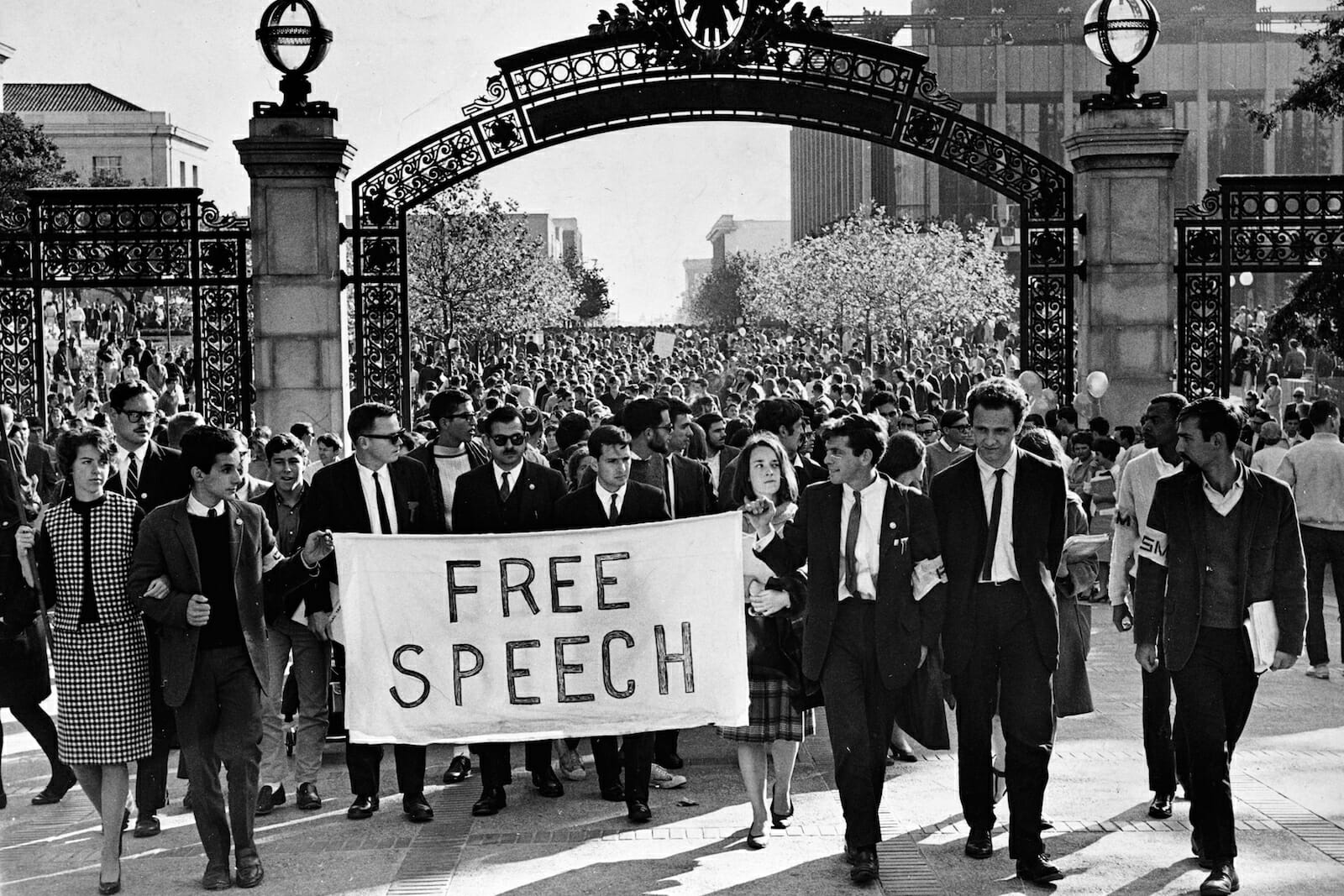
I’ll also say this without much hedging, because it’s part of why any of this matters to me: I’m a staunch advocate for free speech, free thought, and free expression, and I think that’s inseparable from the argument for keeping this whole ecosystem alive.
We have it for now, it wasn’t given to us, we had to fight for it. We’re not guaranteed the right to free speech in the future. People don’t seem to realize that, and it’s mostly taken for granted.
A local record shop, a freeform radio station, and an artist’s own website all have something in common that a major streaming platform doesn’t: nobody can quietly change the terms on you overnight.
A platform can be bought out by a private equity firm or by a particular businessman with a particular agenda, and the rules an artist built their career on can change without warning, without a vote, and without recourse.
A record on a shelf, a song on freeform radio, a release on a website an artist actually owns — those are yours on your own terms. That independence is worth protecting for its own sake, not just for the music’s.
Hope for Independent Music
Is there still hope for independent music in an era of algorithmic playlists and a shrinking middle class of working musicians? I think so, and not naively.
The evidence is everywhere: Down Home Music is still open, still community-fundraised, still run by people who could tell you the label, the year, and the story behind almost anything in the bins. KPFA and KALX are still on the air. KXSF came back from a seven-year exile. Bandcamp, even with its recent debacle, remains one of the few major platforms where buying a record still sends most of the money to the artist. Many of the original venues are still going strong.
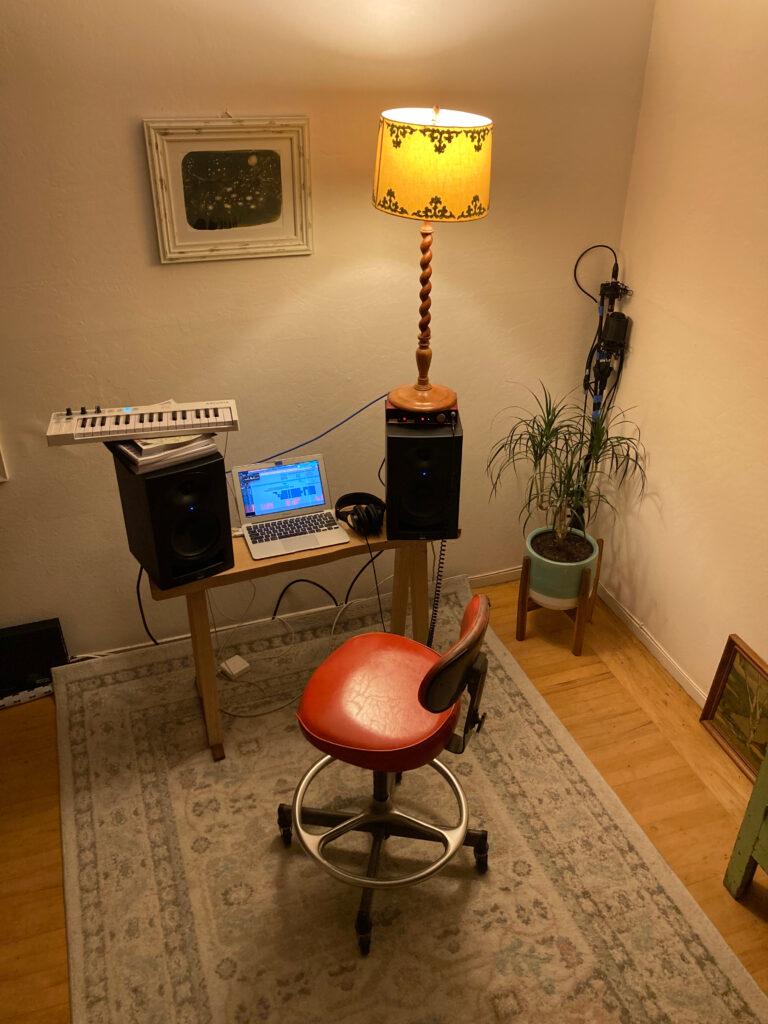
The tools for reaching an audience without a label have never been cheaper or more available to an individual musician working alone in a living room.
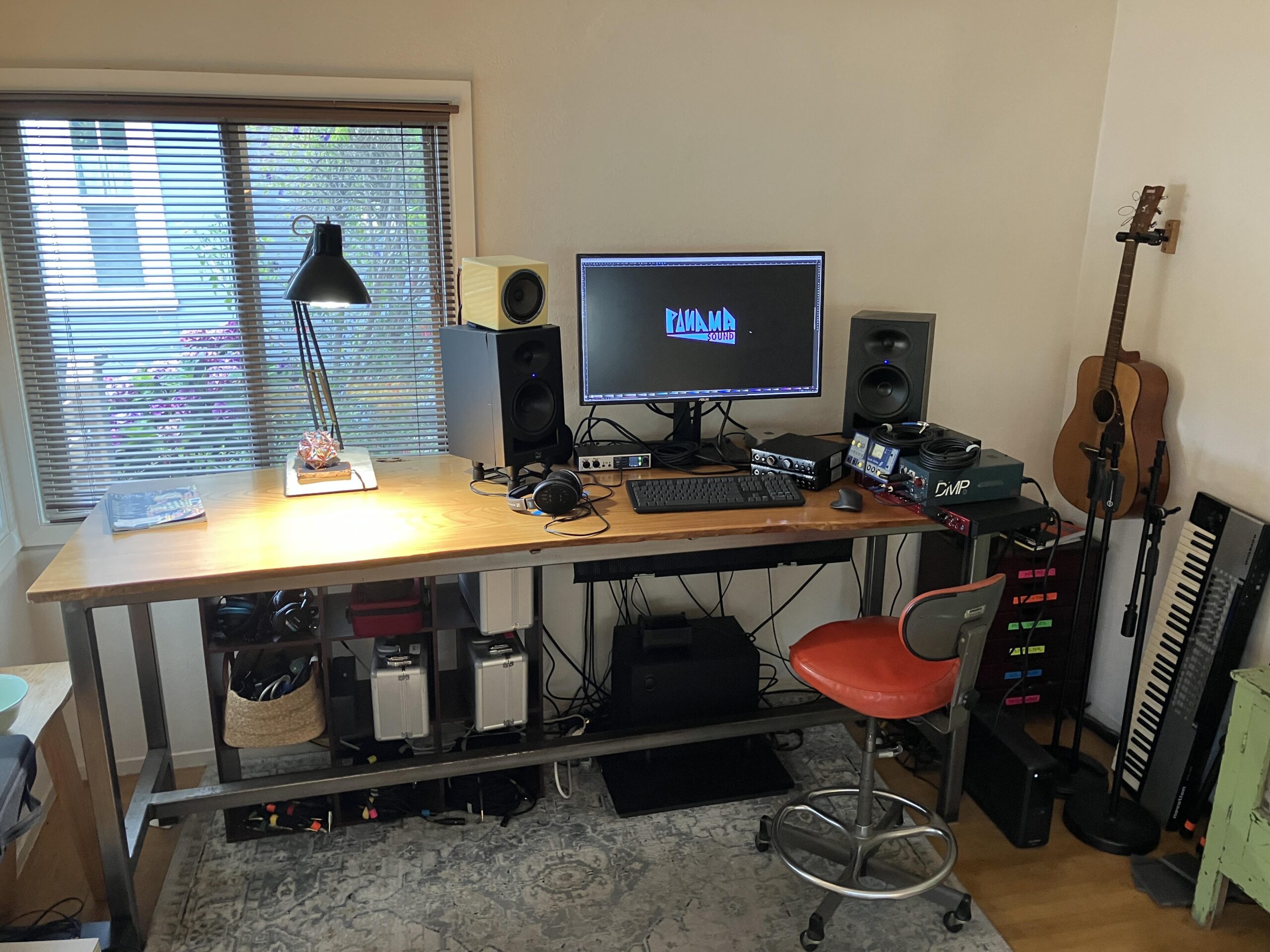
What’s required isn’t luck — it’s the same thing it’s always been: somebody willing to do the unglamorous work of getting the music out correctly, on terms nobody else can quietly revoke, and a listener on the other end willing to go looking for it instead of waiting for it to be handed to them. That’s been true since Strachwitz drove to Navasota. It’s still true now.
