
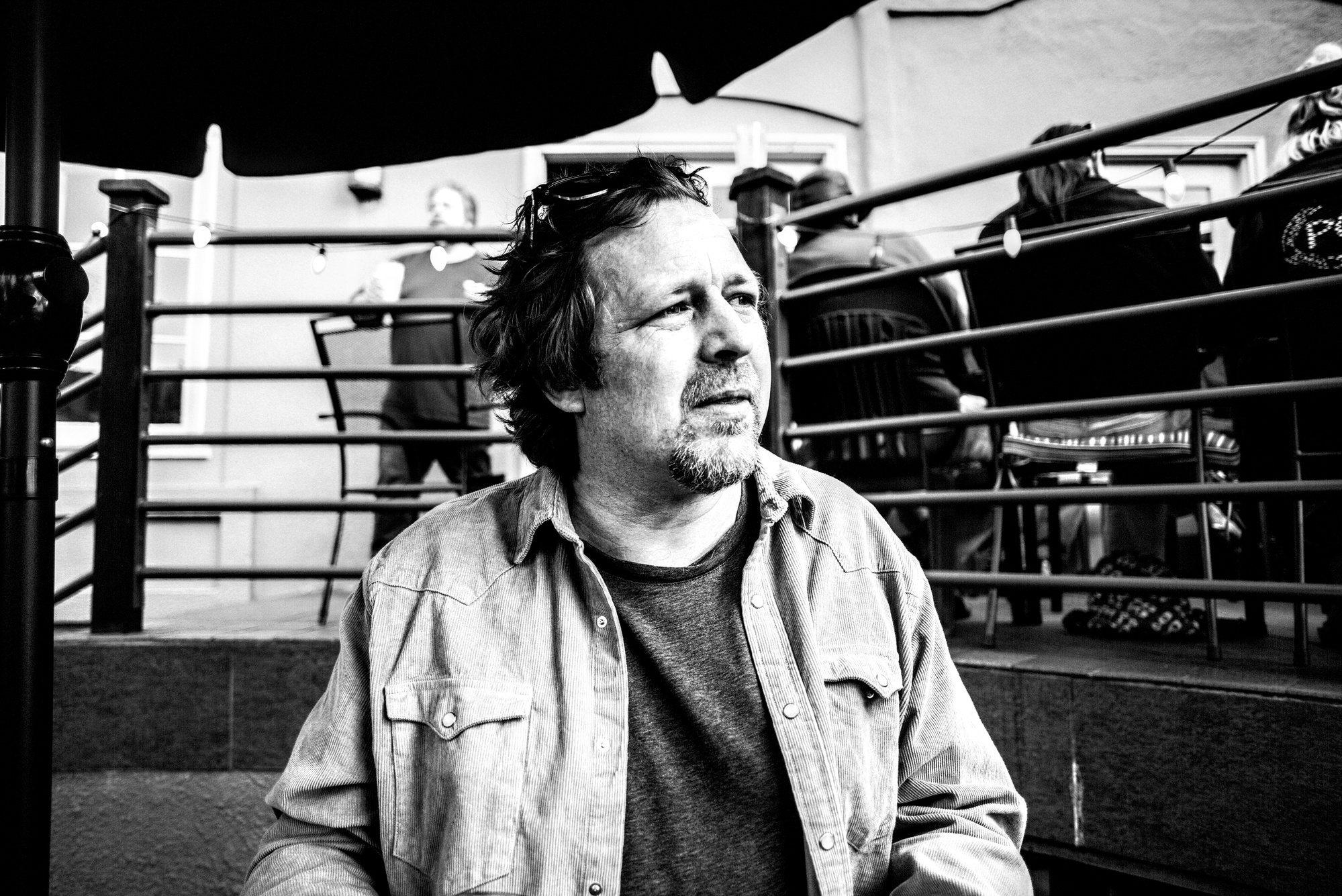
WI’m 49. Almost 50. And whether I like it or not, that number has started to feel less like trivia and more like a clock.
If I’m lucky—really lucky—I might have twenty good, creative years left. Twenty years to make things that matter. Twenty years to leave behind work that says, hey, I was here… and I tried to do something honest, something cool, something identifiable as me. That awareness has changed how I think about everything I do, especially music.
When you’re younger, time feels infinite. You can afford to obsess over minutiae, chase trends, collect gear, and tell yourself the real work will come later. But at this stage, later isn’t theoretical anymore. It’s shrinking. And with that comes a sense of urgency, not panic, but clarity.
I don’t want to spend whatever time I have left on the wrong things.
I’ve heard technically flawless recordings that felt empty, and messy takes that carried more truth than anything you could “fix” later.
That’s what this piece is really about.
It’s not a rejection of craft or technology. It’s a recalibration of priorities.
Time is slipping past. I feel it every year. And because of that, I care less about chasing specs and more about creating conditions where people can actually show up. Where performances happen instead of being extracted. Where something fleeting gets caught before it disappears.
Getting older isn’t theoretical for me anymore and neither is my stance on this. If I’m going to make records for the time that I’ve got left, I’m gonna do it my way.
If you spend any time online, scrolling through Instagram, watching studio tours, or reading audio forums… you’d be forgiven for thinking that great music is assembled almost entirely from metal, glass, and circuit boards.
Microphone capsules. Tubes. Transformers. Converter specs. Sample rates. I understand the fascination. I like this stuff too. Technical tools matter, and understanding them matters. But after working with bands, songwriters, and solo artists in sessions, with pressure and emotions in the room, one thing has become impossible to ignore.
You can’t mix your way to a great performance.
You can put a singer in front of an immaculate signal chain and capture every transient with stunning precision. But if they feel rushed, self-conscious, judged, or tense, all you’re doing is documenting that discomfort at a higher resolution. On the other hand, someone who feels relaxed, supported, and fully present can deliver something extraordinary through a payphone. The difference isn’t subtle. You can hear it immediately.
That difference is what I mean when I say vibe is king.
A lot of traditional recording environments unintentionally work against this. Some studios feel clinical, overly supervised, or quietly stressful. Bright lights. Silent control rooms. A sense that time is money and mistakes are expensive. Even when no one says it out loud, the pressure leaks into the room.
Recording at home can create the opposite problem. It’s comfortable, but not always inspiring. It’s hard to access a bold or vulnerable headspace when you’re surrounded by everyday tasks and distractions. Laundry, dishes, unfinished projects. Your brain stays half in logistics mode instead of dropping into performance mode.
In both cases, the psychology of the space shapes the music long before a microphone hears anything.
When I talk about vibe, I’m not talking about aesthetics for their own sake. It’s not just dim lights, candles or incense, though those can help. Vibe is the psychological architecture of a session. It’s how the room feels the moment you walk in. It’s whether your nervous system can relax enough for you to take risks. It’s whether the environment invites experimentation or quietly discourages it.
It shows up in small, practical ways. Warm, forgiving lighting instead of harsh overheads. A place to sit and breathe before tracking. Coffee ready. Conversations that sound like “let’s try it” instead of “that won’t work.”
When people relax, their shoulders drop. Their breathing deepens. Their timing improves. Singers stop protecting their voices and start committing. Drummers find a pocket instead of forcing one. Guitarists dig in instead of playing cautiously. That physical and emotional shift translates directly into the sound. It’s not mystical. It’s physiological.
Vibe is a production tool.
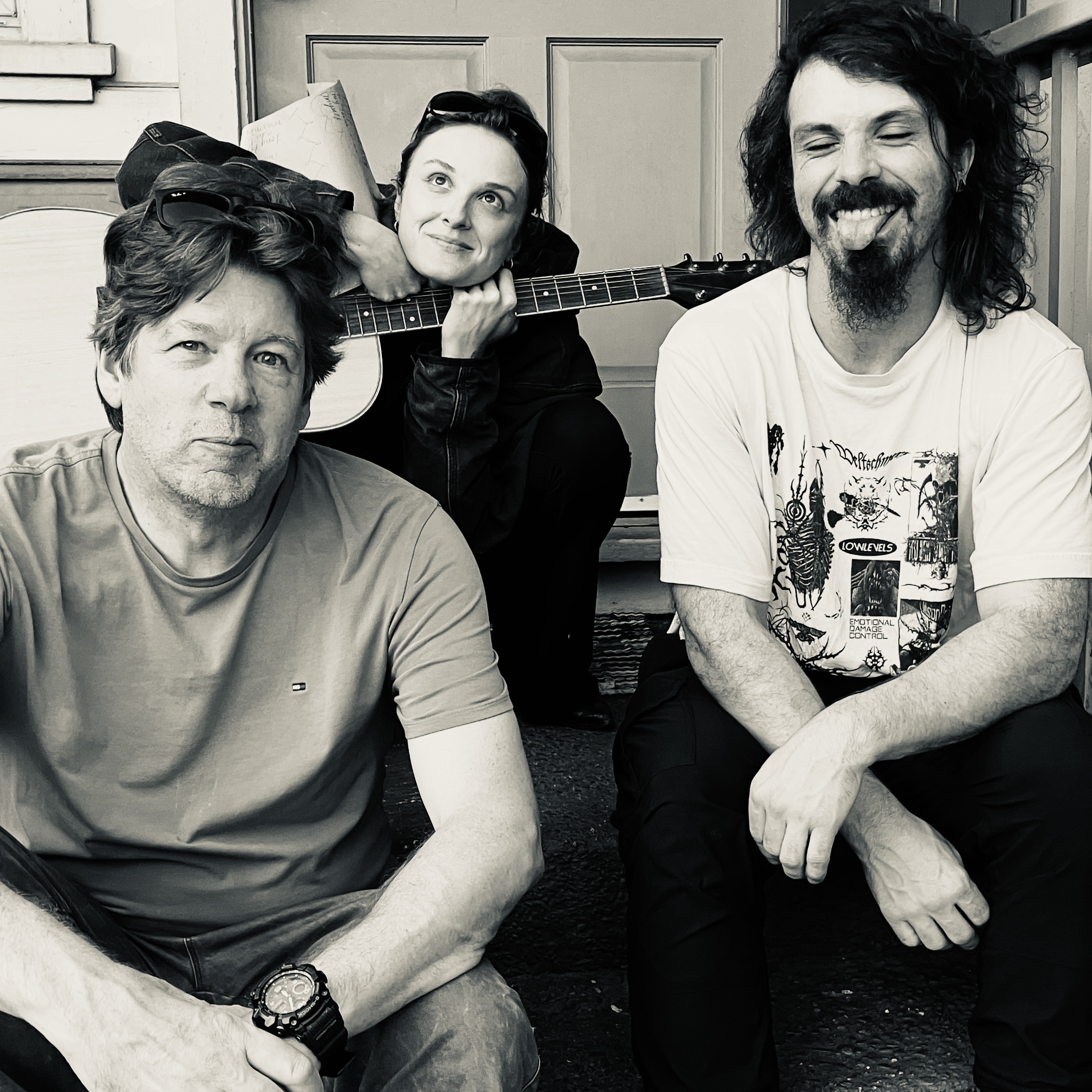
As engineers and producers, we like to think our job is technical problem-solving. And sometimes it is. But just as often, the real work is protecting momentum and emotional energy. Knowing when not to interrupt. Knowing when to stop tweaking. Knowing when the take that isn’t “perfect” is actually the one that matters.
The best sessions don’t feel like procedures. They feel like momentum.
Technology should serve creativity, not dominate it. Gear should disappear once the session starts. Systems should be simple enough that ideas can be captured the moment they arrive. The fewer obstacles between inspiration and sound, the better the result tends to be.
None of this means standards don’t matter. It means standards exist to serve the music—not a gear addiction. A record that feels alive will outlast one that is merely correct.
We spend so much time chasing down details that don’t matter that it’s easy to forget why people respond to music in the first place. It’s not because it’s flawless. It’s because it feels like something happened. Like someone was present. Like a moment was captured rather than constructed.
That’s the work I care about. Eliminating roadblocks to an artists best performance. Everything else is secondary.
A 72-channel Neve console and a pair of Studer two-inch tape machines can’t create a performance that never happened. But the right environment with modest gear can sometimes make music with lasting impact. That’s why vibe is king, and why it always will be.