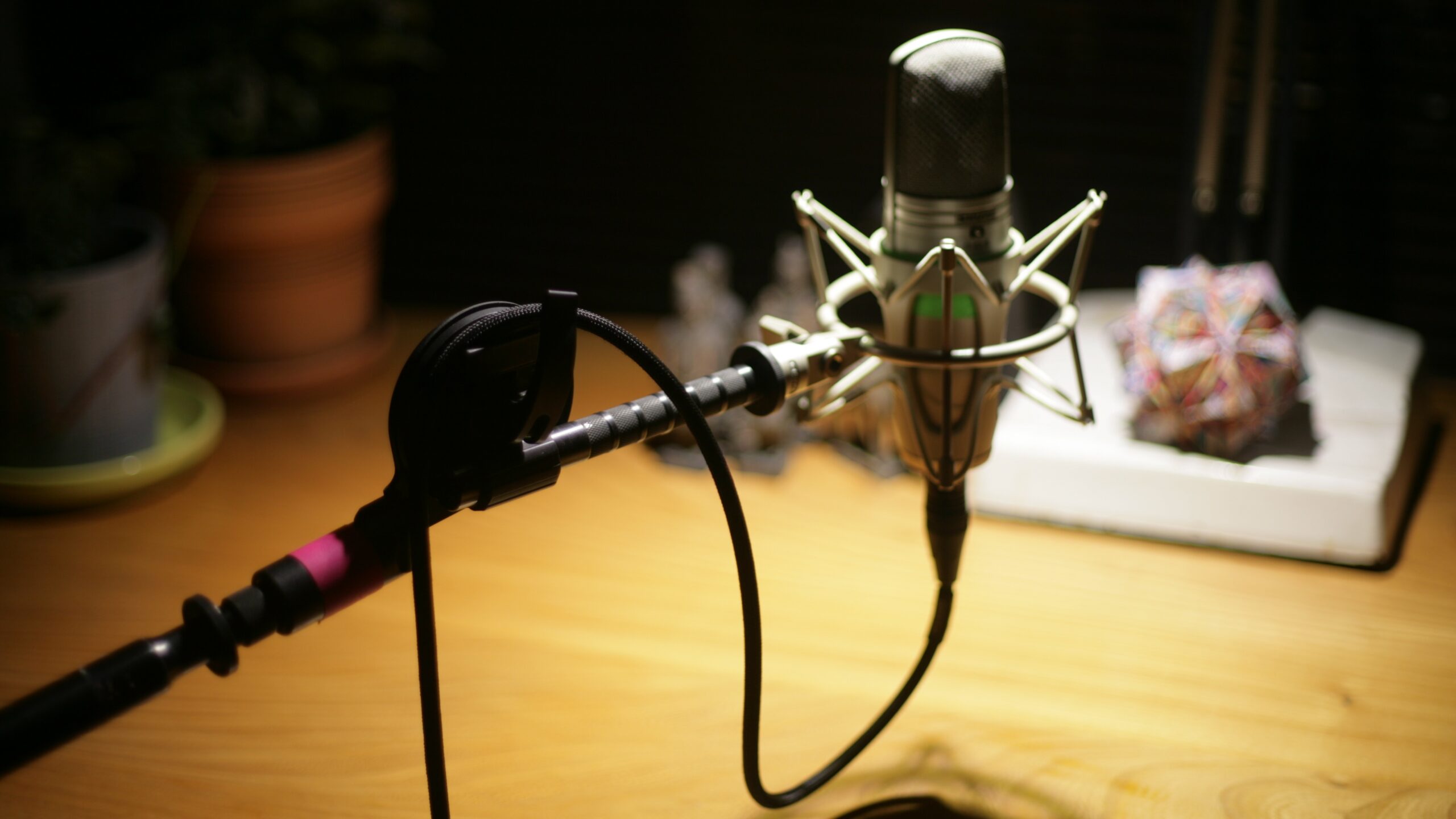
About the Room
Let’s talk about the room.
This studio is not acoustically treated in the traditional sense.
- No wall-to-wall absorption.
- No foam pyramids.
- No bass traps.
“Untreated does not mean uncontrolled—engineering is knowing how to work within real-world constraints and still make records that translate.”
That’s the primary technical limitation of the current Panama Sound space, and I’m not hiding it. Transparency matters.
But so does context.
What Acoustic Treatment Is Actually For
Acoustic treatment exists to control reflections, resonances, and decay times in a room—especially for predictability. It’s about reducing the room’s influence so the microphone hears only the source.
That’s useful.
It’s not magic.
And it’s not the only way to make records that translate.
Treatment doesn’t make someone an engineer any more than a console makes someone a producer. It’s a tool. A powerful one—but still just a tool.
Why We Don’t Treat This Space
Because this space is temporary, and I refuse to do half-measures.
Poorly planned treatment in a shared, evolving space can make things worse, not better—uneven decay, dead zones, weird midrange buildup.
Random broadband panels kill highs while leaving modal lows untouched often create rooms that sound dull and still lie.
I’m choosing to control the room with intention rather than with fiberglass and marketing photos.
Let’s Be Clear About the Results
We are already getting good sound here.
Not by accident.
Not by luck.
It’s happening because:
- I know my microphones—intimately
- I know how this room behaves at different distances and angles
- I choose mics because of their polar patterns and off-axis behavior
- I place them deliberately
- This is a large L-shaped space with vaulted ceilings
- I coach performance technique to work with the space, not against it
Dynamics, ribbons, tight cardioids, off-axis vocals, proximity control—these aren’t compromises. They’re engineering decisions.
On the monitoring side, I don’t trust a single perspective. Ever.
I’m constantly referencing:
- Nearfields
- A single-driver reality check
- Bluetooth speakers, laptop, iPhone, iPad
- Multiple headphone types
- And yes, the car test—the final court of appeal
If something works everywhere, it works. Full stop.
Learn more about the gear we use, or the space we record in.
Proof of Concept:
Listen for Yourself
Enough philosophy. Here’s what this untreated room actually sounds like.
Below are four tracks—two different songs, each with a full production mix and an isolated dry vocal take recorded in this space with zero acoustic treatment:
Be patient with the vocal mixes, they are time-aligned, there is space between phrases. Listen to the dry vocals critically. Listen all the way through. Yes, there’s room tone. Yes, you can hear reflections if you’re listening for them. There’s even a bird, we kept that take because it had the most feeling. The question isn’t “is the room audible?”—it obviously is. The question is: “does it ruin the recording?”
Then listen to the full mixes. Does the vocal sit? Does it translate? Does the room become a problem, or does it just become part of the sound?
I’m not asking you to take my word for it. I’m asking you to use your ears and decide for yourself whether the results justify the approach.
I’m not saying this works for everybody (I recognize that a lot of people live in and try to record in ten-by-ten-by-seven boxes–treatment is probably the only way out for them), but it works for this studio.
At any rate, if these sound amateurish or unusable to you, then nothing else in this article matters—you should absolutely treat your room and ignore everything I’m saying.
If they sound like professional recordings that work, then maybe “untreated” doesn’t automatically mean “unprofessional.”
The Future (Because I’m Not Anti-Treatment)
This is not a forever position.
The long-term plan is clear and deliberate:
A dedicated studio space, designed from the ground up, with measured reflectivity, where proper acoustic treatment can be installed holistically (not piecemeal)—bass control, early reflection management, decay shaping, the whole thing done right.
When that happens, treatment will be a feature, not a patch.
People in the industry always ask me where my studio is (assuming a commercial facility) after demoing a few tracks on headphones, and they are shocked when I tell them I recorded them in an untreated living space.
I’m getting good results here and I’m going to continue making music.
Final Thought
Some of the most emotionally devastating records ever made were captured in bedrooms, basements, churches, barns, and living rooms.
What mattered wasn’t foam or fiberglass.
It was taste.
It was listening.
It was knowing when to intervene and when to get out of the way.
That’s what we do here.
Results are the credential.


Leave a Reply